

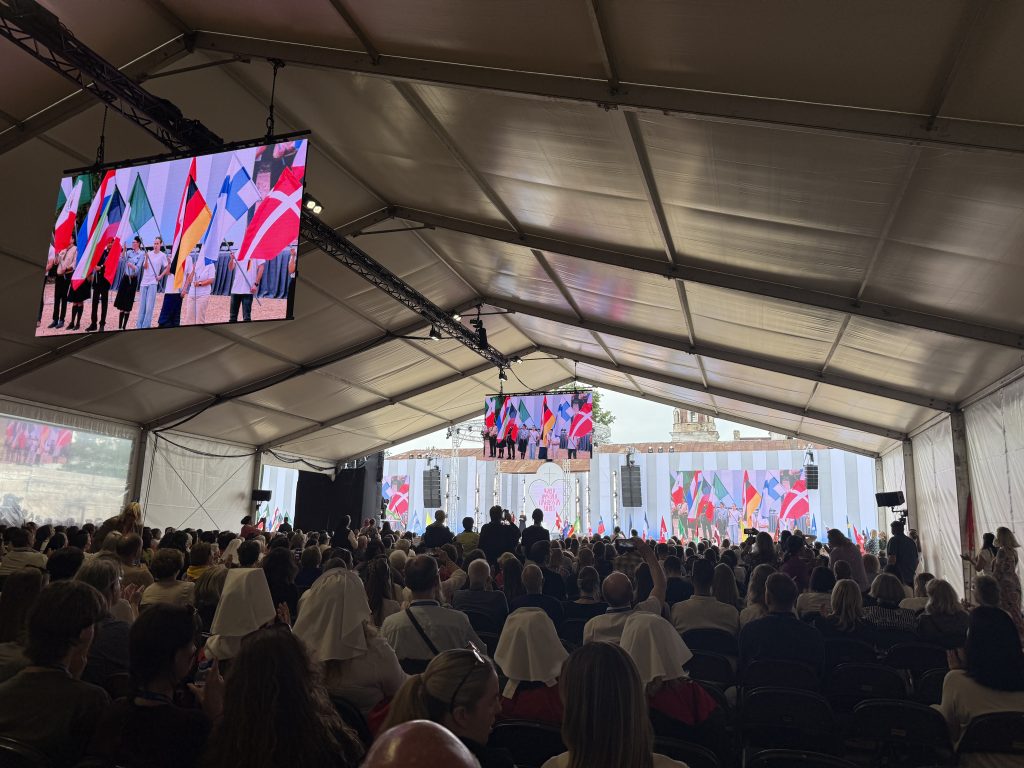
From June 7–12, 2026, Vilnius, Lithuania, is hosting the World Apostolic Congress on Mercy (WACOM), an international congress dedicated to Divine Mercy that brings together thousands of participants from around the world every three years to discuss human dignity, solidarity, service to others, and responses to contemporary social challenges. This year’s event has gathered more than 5,000 participants from over 50 countries.
As part of the congress, the #WASHinWAR team of Caritas Ukraine presented Ukraine’s experience in addressing the humanitarian consequences of war and hosted an open public discussion on the challenges faced by Ukrainian communities during the full-scale invasion. Representatives of civil society, international organizations, volunteers, journalists, and residents of Vilnius joined the discussion.
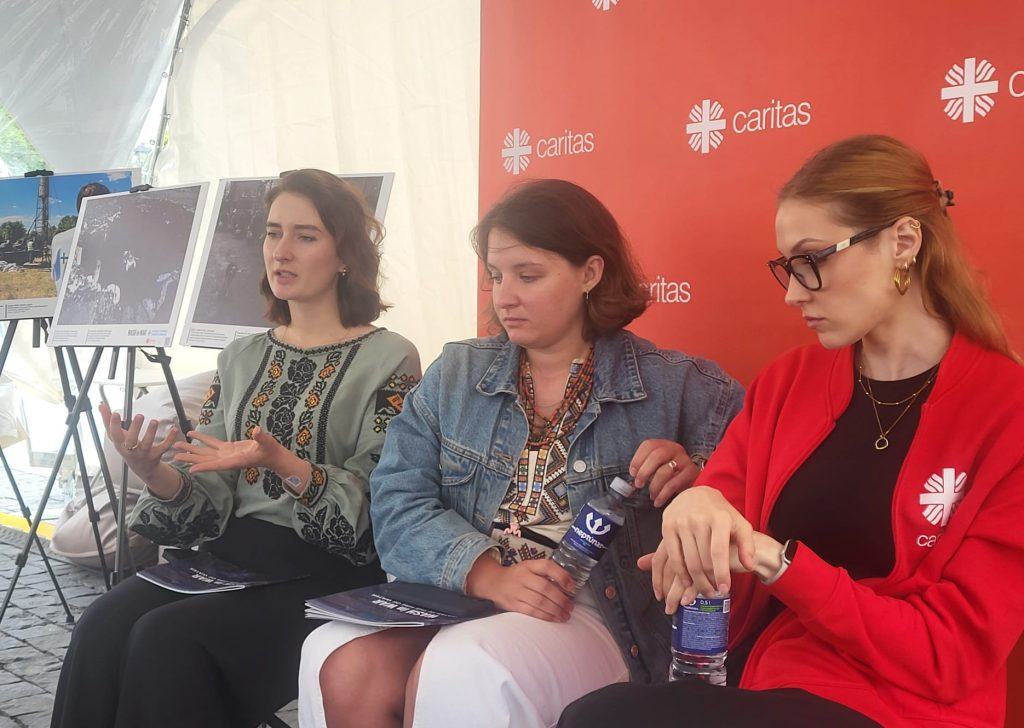
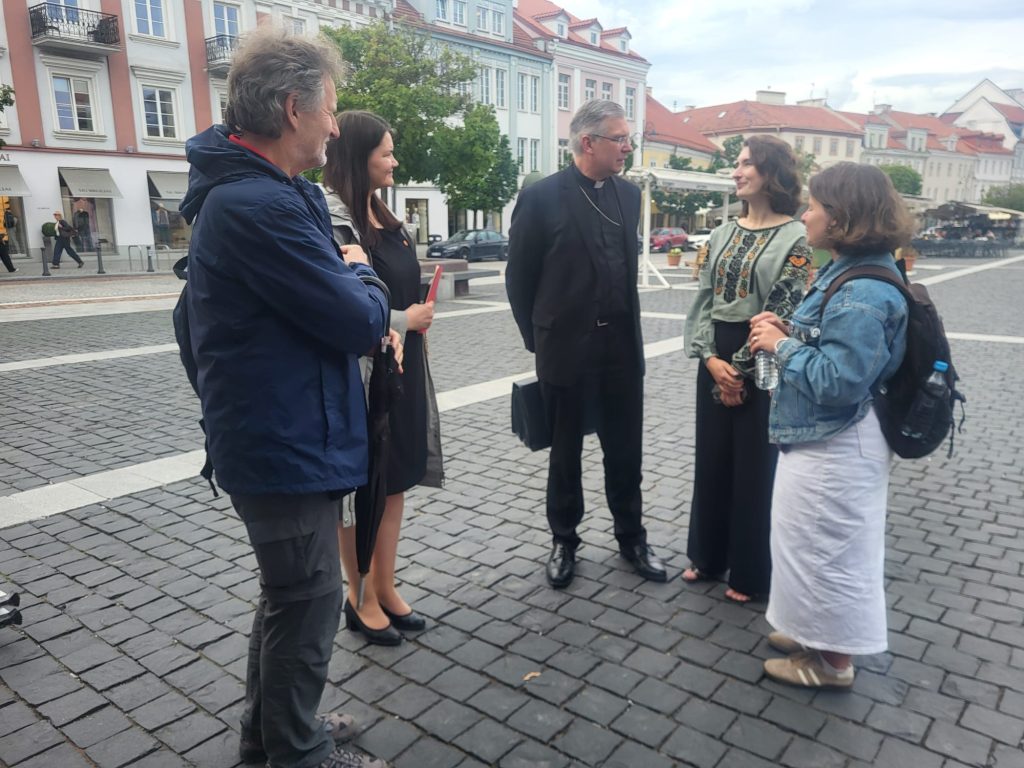
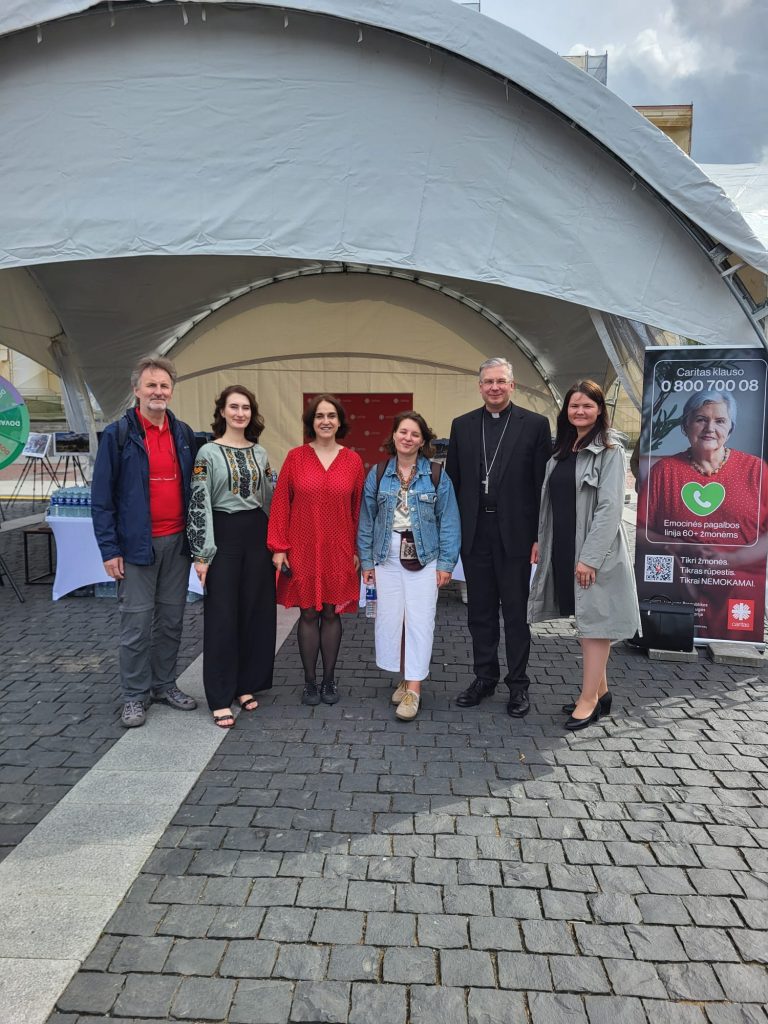
During the event, Olha Sydii, coordinator of the international advocacy campaign #WASHinWAR, and Uliana Krys, Partnership Manager at Caritas Ukraine, spoke about the long-term humanitarian consequences of the war, the challenges of rebuilding affected communities, and the importance of maintaining international attention on Ukraine. Particular attention was given to the role of the Caritas network in providing humanitarian assistance and implementing early recovery programs that help communities restore essential services and return to normal life even amid ongoing hostilities.
The #WASHinWAR team also presented its international advocacy campaign, which raises awareness about the impact of war on water resources, access to safe water, sanitation, and the environment. The campaign works to ensure that water security and the environmental consequences of war remain part of the international agenda and decision-making processes related to supporting Ukraine.
“The #WASHinWAR campaign helps us speak to the world through the tangible consequences of war for people. When a person loses access to water, a safe environment, or basic services, it is about the future of an entire community. That is why we strive to ensure that accountability of the aggressor, Ukraine’s early recovery, and humanitarian support are discussed simultaneously on international platforms. We invite the entire Caritas network to join this effort because we are one family, and together we can amplify the voices of people who live with the realities of war every day,” said Olha Sydii.
Uliana Krys highlighted the unique challenges of humanitarian work during wartime:
“For most humanitarian crises, there is a clear sequence: an emergency, response, stabilization, and recovery. In wartime, that logic is disrupted. We can help people recover from an attack, restore services, or support a community, but we never know where the next attack will occur or who will need assistance tomorrow. That is why we must constantly be prepared to begin recovery again and again.”
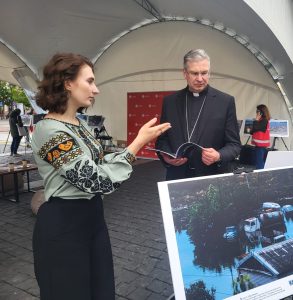
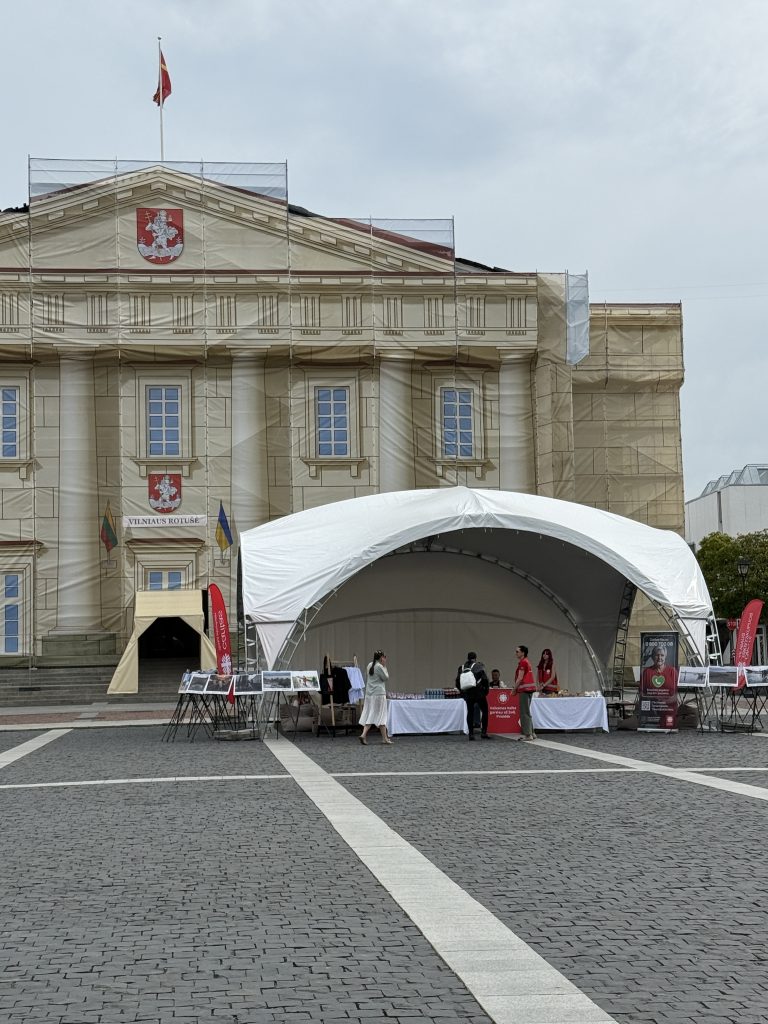
Throughout the week, the #WASHinWAR exhibition in central Vilnius is being visited daily by thousands of residents and visitors. Photographs by Ukrainian photographers tell the stories of people and communities living through war, illustrating the humanitarian, environmental, and social consequences of Russia’s aggression against Ukraine.
Participation in the Congress of Mercy marked another important step in strengthening #WASHinWAR’s international partnerships and expanding the global discussion on the impact of war on water resources, the environment, and the basic conditions of human life.