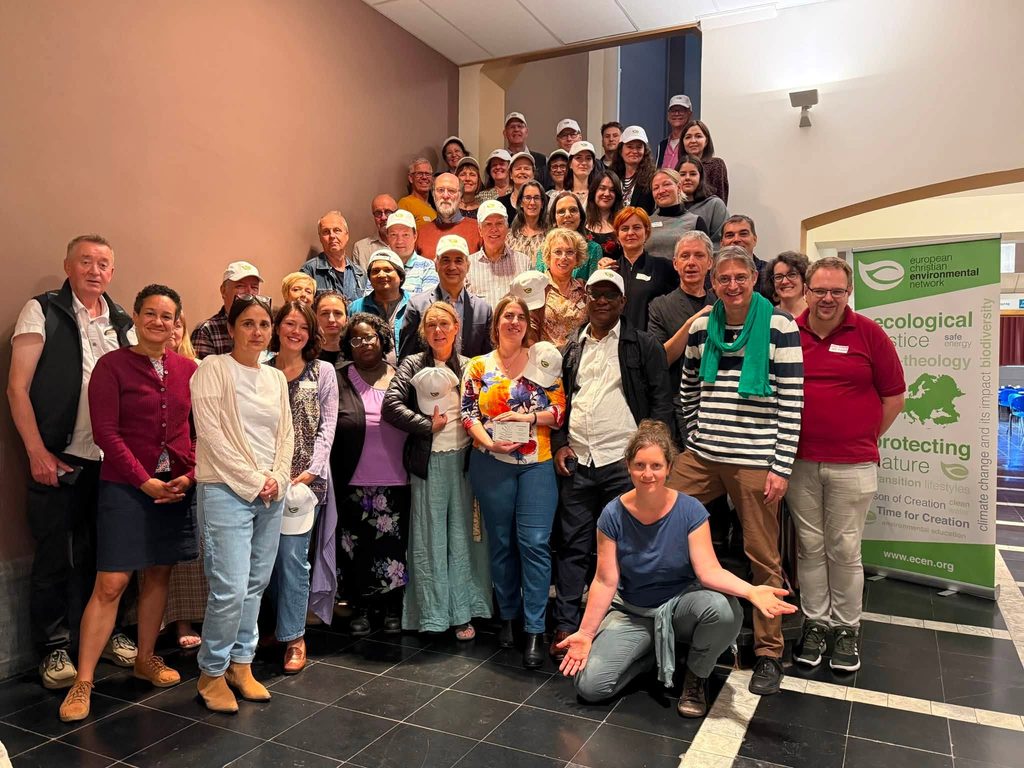
The impact of Russian aggression on Ukraine’s water resources, the war-induced humanitarian crisis, and the long-term environmental consequences were discussed during the Assembly of the European Christian Environmental Network (ECEN) in Brussels.
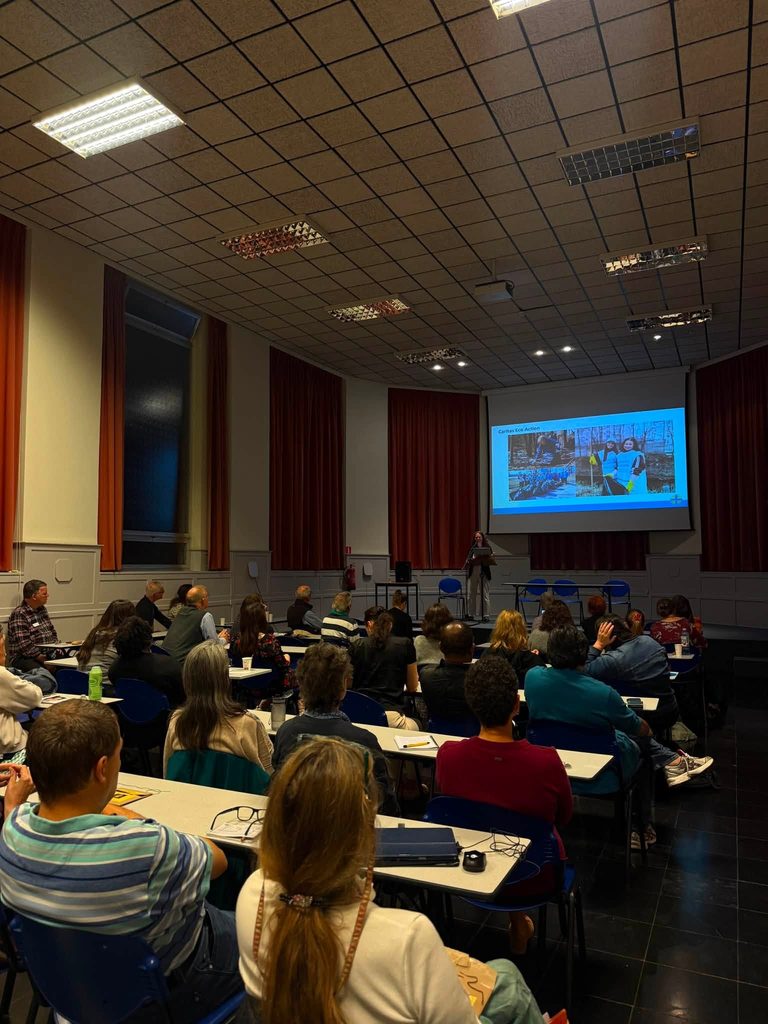
The event brought together more than 50 participants from 15 countries, including representatives of church communities, environmental organisations, and initiatives.
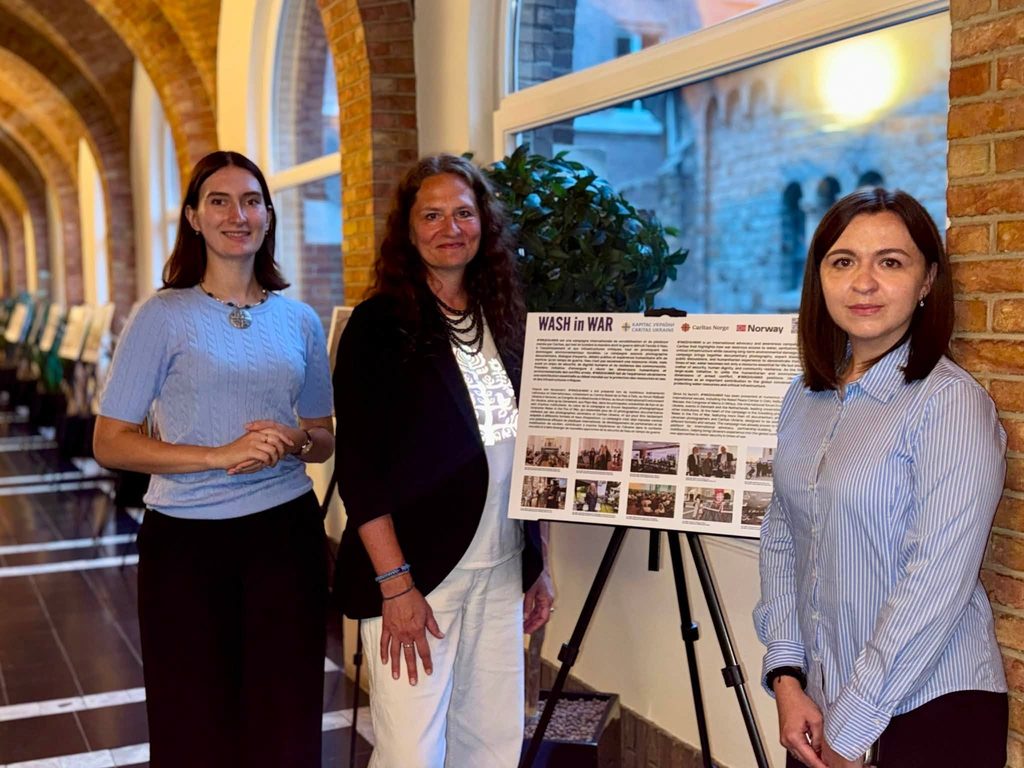
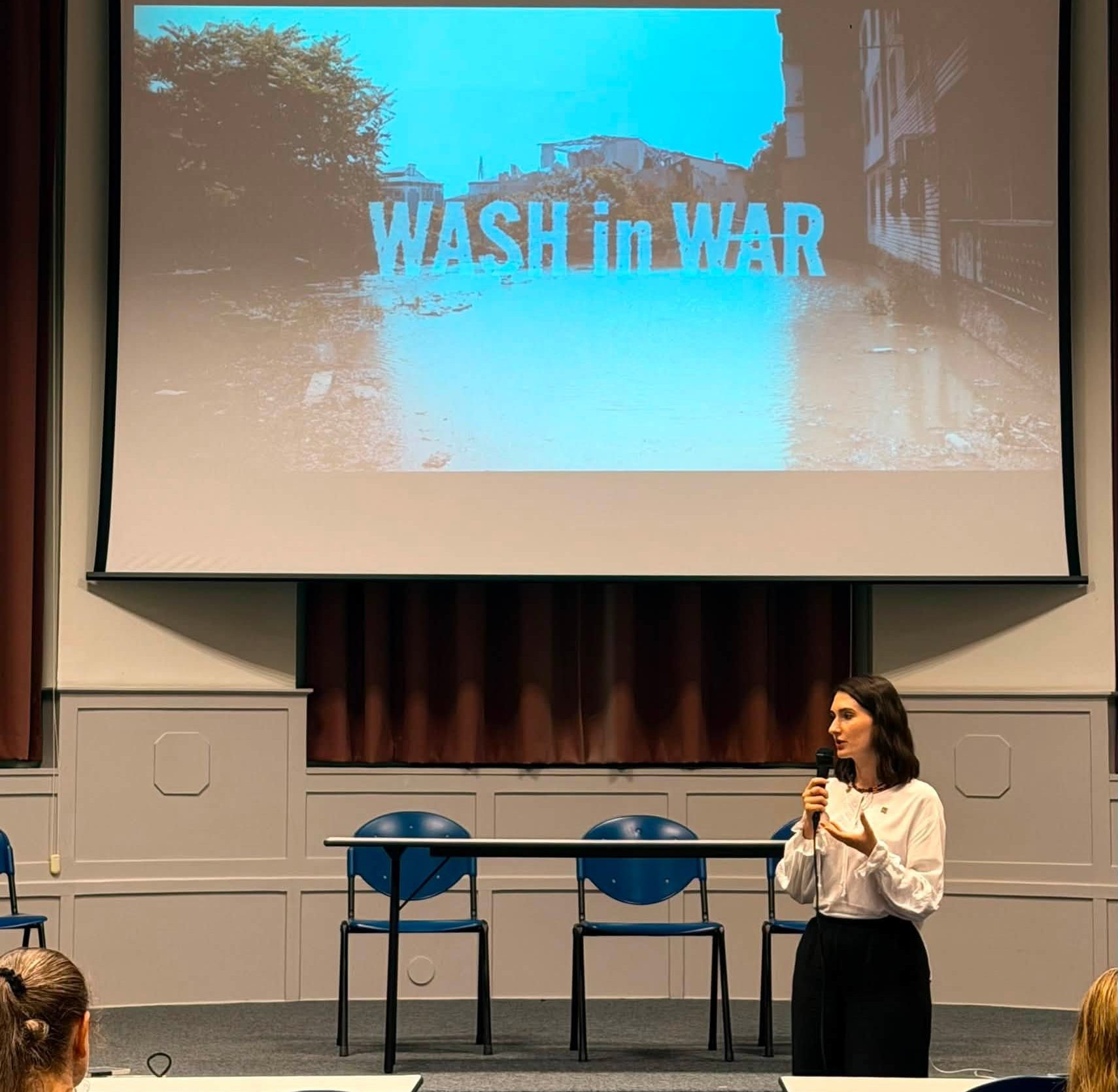
The Ukrainian delegation, Olha Sydii and Ivanna Uley, presented Ukraine’s experience in responding to the consequences of the war and restoring access to water. Particular attention was paid to how the destruction of water infrastructure simultaneously creates humanitarian, environmental, and security consequences.
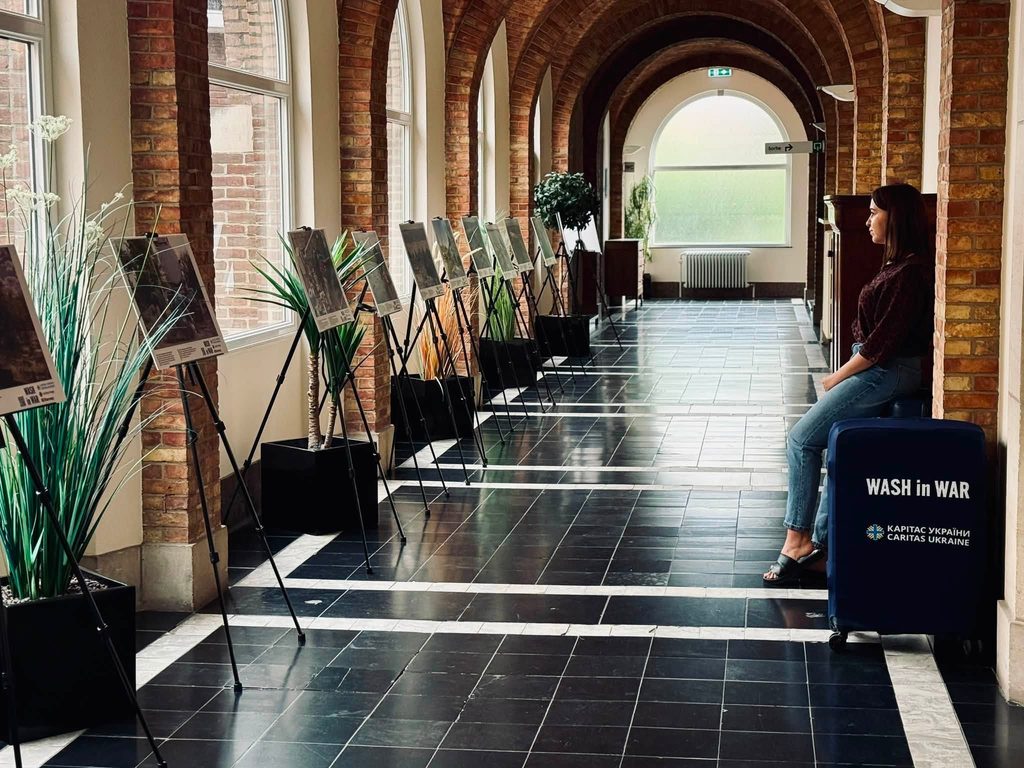
The event featured a photo exhibition from the international advocacy campaign #WASHinWAR. The exhibition includes 33 photographs by Ukrainian photographers documenting how the war and the destruction of water infrastructure affect people, communities, and the environment.
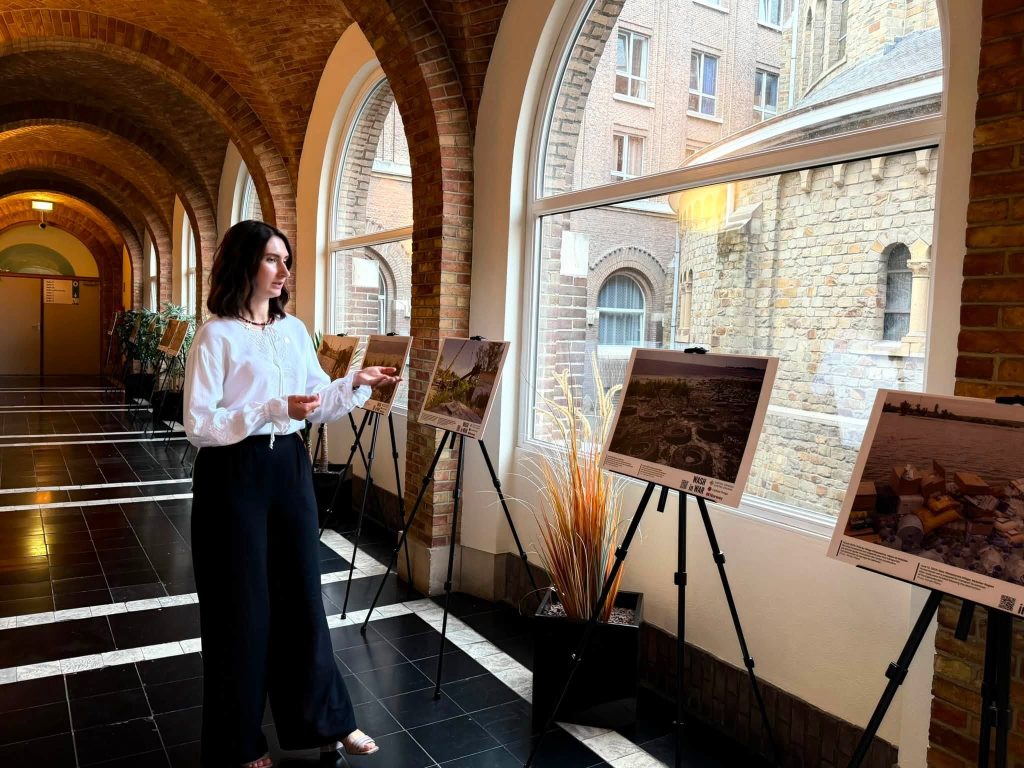
One of the most significant examples of these consequences was the destruction of the Kakhovka Dam. The disaster demonstrated the direct link between damage to critical water infrastructure, access to essential services, humanitarian needs, and long-term harm to ecosystems.
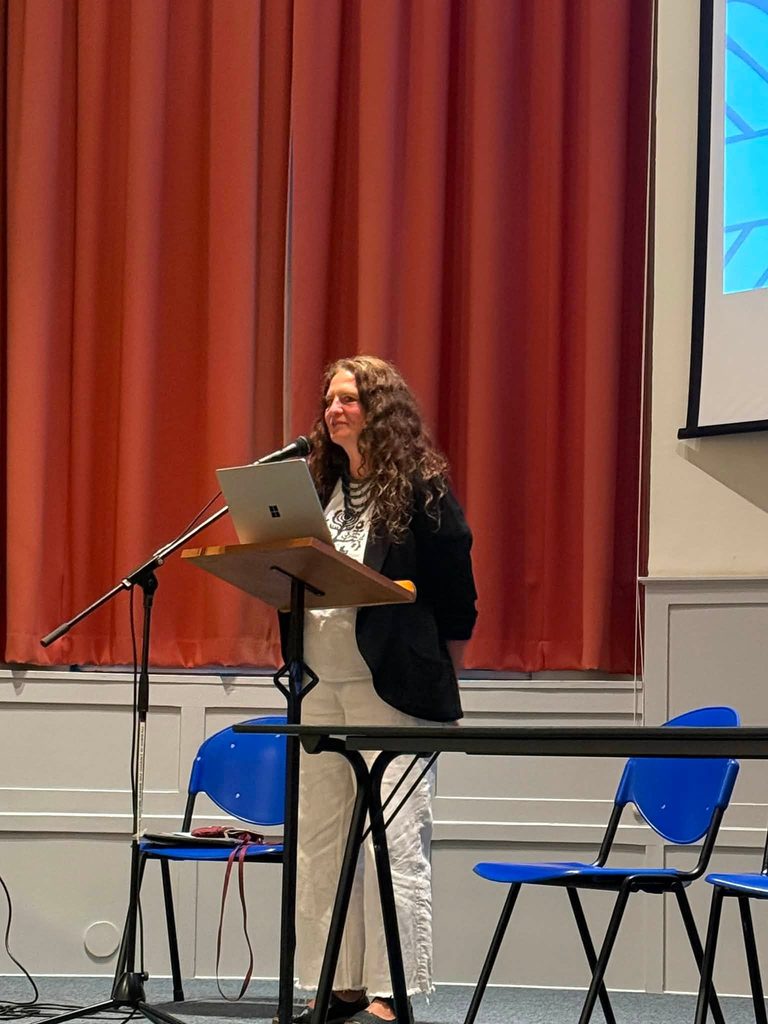
During the Assembly, Tetiana Stawnychy, President of Caritas Ukraine, spoke about the scale of the humanitarian crisis in Ukraine and explained how the destruction of the environment and water resources directly affects people’s lives and the work of humanitarian organisations.
The visit also included working meetings with the Caritas Europa team. The parties discussed the results of #WASHinWAR, opportunities for the campaign’s further development, and ways to strengthen international advocacy on the impact of the war on Ukraine’s water resources. The photo exhibition remained in Brussels for further use by European partners.
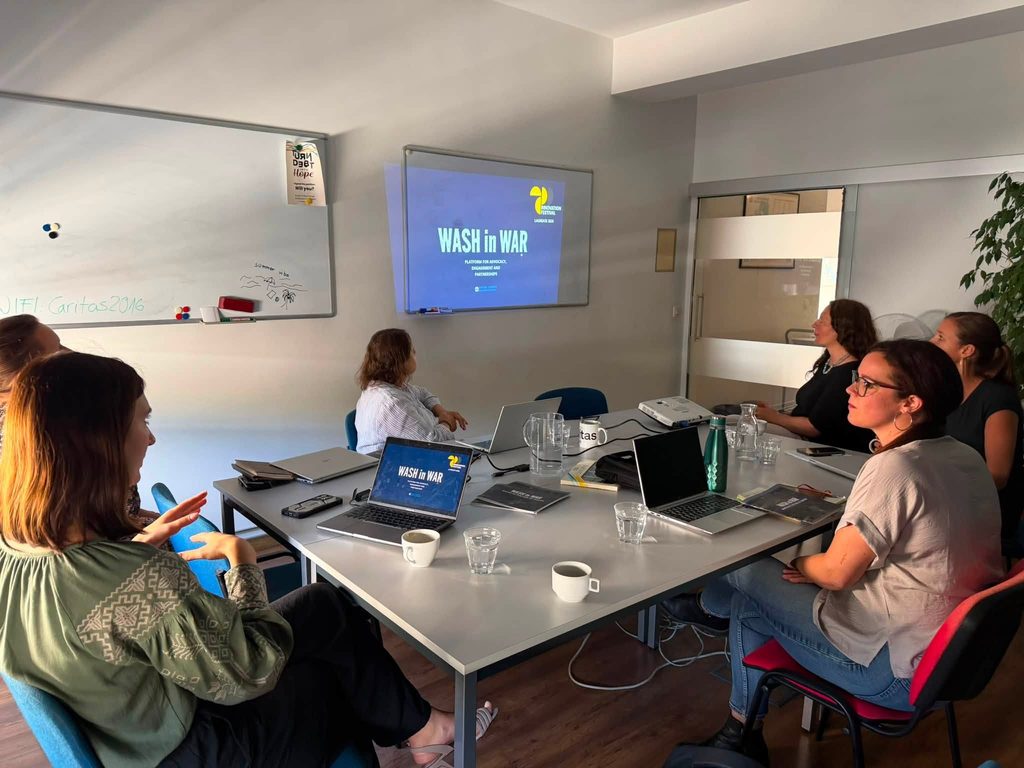
#WASHinWAR was previously recognised as a laureate of the Caritas Europa Innovation Festival. Opportunities are now being explored to present the campaign and exhibition in other European countries, including France, Germany, and the United Kingdom.
The campaign aims to draw international attention to water not only as a humanitarian need, but also as a key issue of environmental security, civilian protection, and Ukraine’s future recovery.