

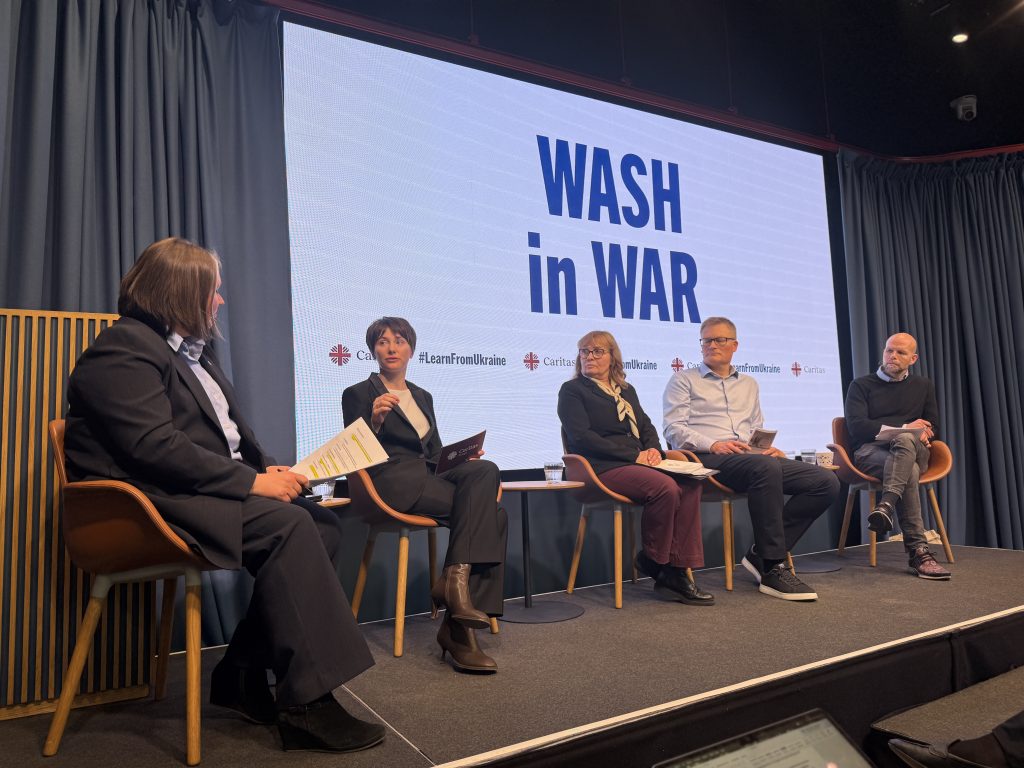
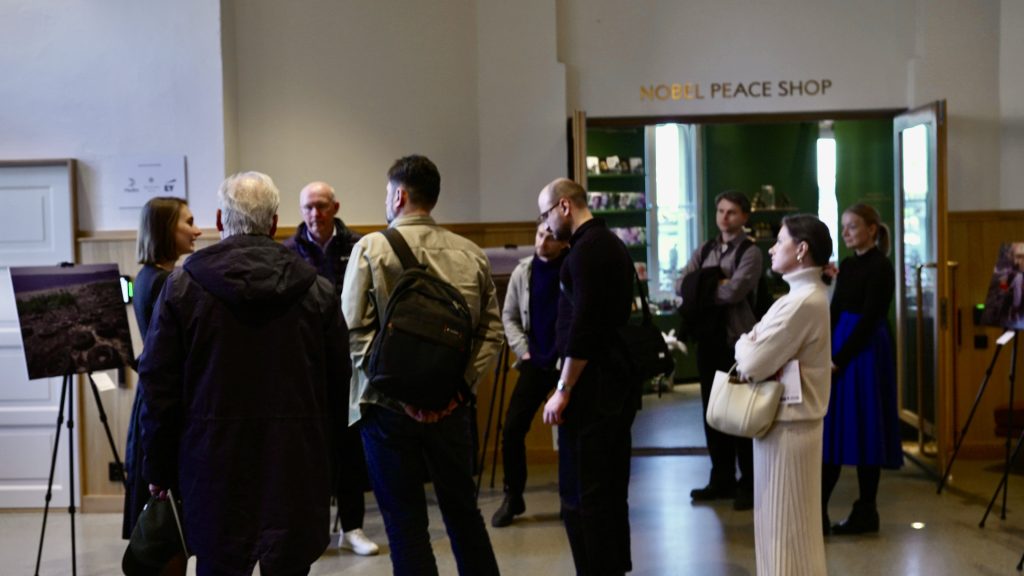
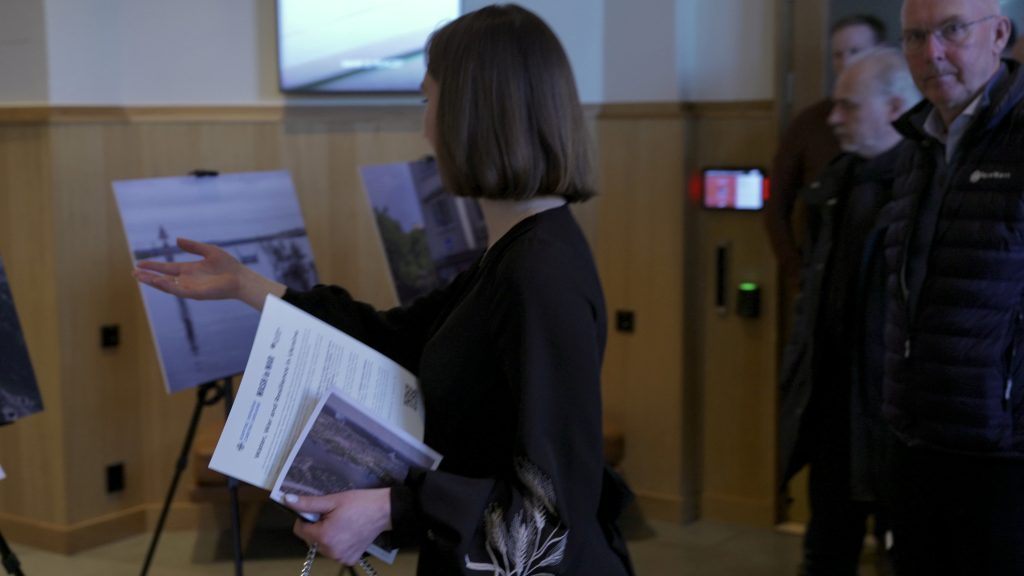
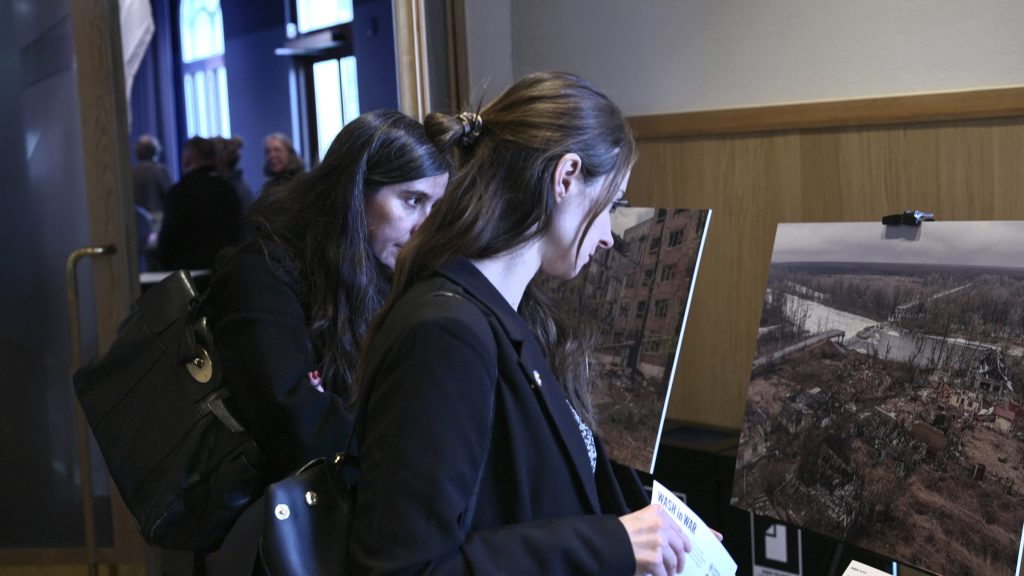
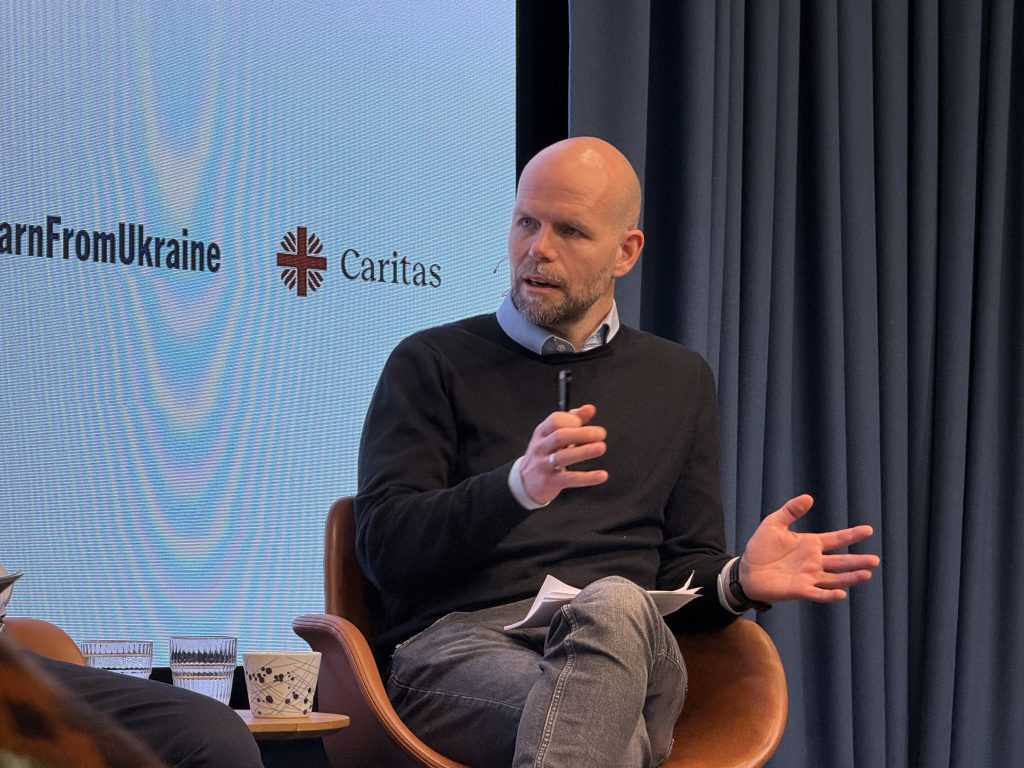
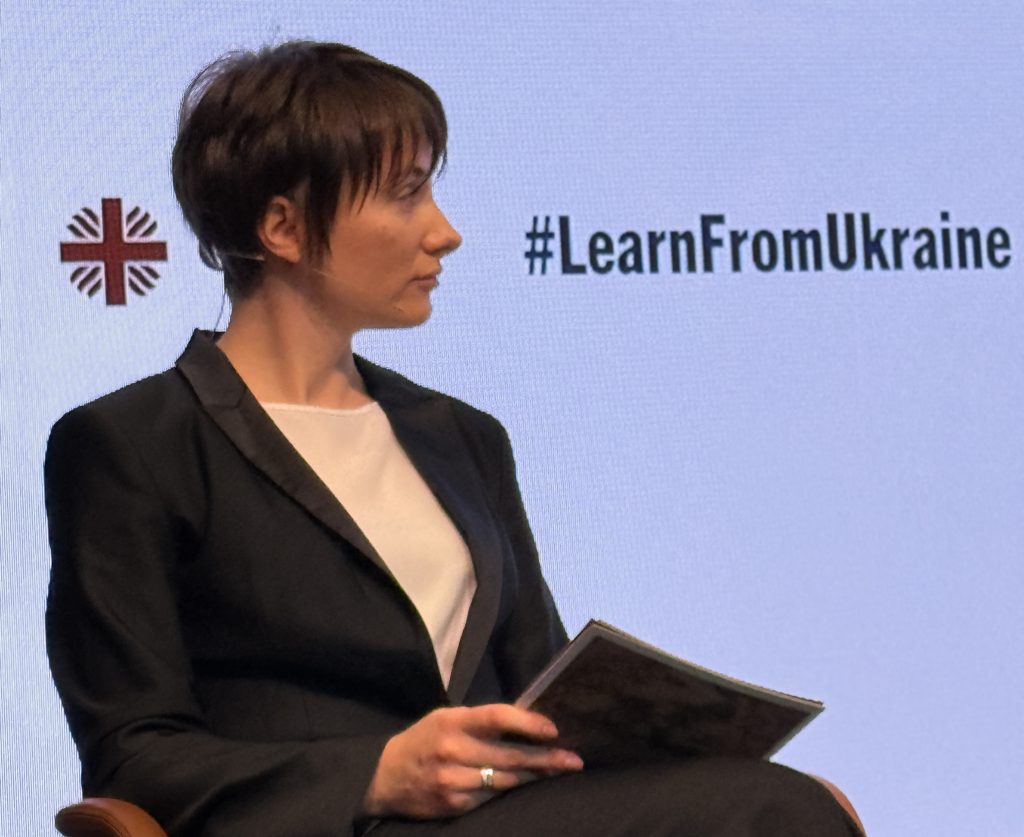
On March 26, a panel discussion on water security in modern conflicts took place at the Nobel Peace Center, accompanied by the opening of the #WASHinWAR photo exhibition.
The event brought together representatives of the humanitarian sector, government institutions, experts, and civil society around a key issue: the vulnerability of water infrastructure in war and what it means for the security of modern societies.
At the core of the discussion was Ukraine’s experience, where since 2022, systematic attacks on water and energy systems have become part of a broader strategy targeting civilian life. The destruction of dams, damage to water infrastructure, and contamination of water sources have created large-scale humanitarian, environmental, and economic consequences, depriving people of a fundamental human right — access to clean water.
In this context, the term aquicide is increasingly used to describe a new form of warfare aimed at the destruction of water resources as the foundation of life.
The Ukrainian perspective was presented by Tetiana Yatsiuk, WASH Programme Manager at Caritas Ukraine, and Olha Sydii, #WASHinWAR Coordinator. They shared practical experience from frontline communities, where access to water has become a matter of daily survival.
From the Norwegian side, the discussion included Secretary General Ingrid Rosendorf Joys of Caritas Norway, along with experts from the water sector, analysts, and civil society representatives. Among them:
— Siv Henningstad, author and analyst, who explores how societies perceive risks and why water often remains an “invisible” issue until a crisis occurs.
— Kjetil Furuberg from Norsk Vann, who provided a technical perspective on how water systems function, their complexity, and their interdependence with energy and other critical infrastructure.
— Andreas Fjeldskår from Tax Justice Norway, who highlighted how ownership structures and transparency affect infrastructure security and the risks posed by fragmented or opaque systems.
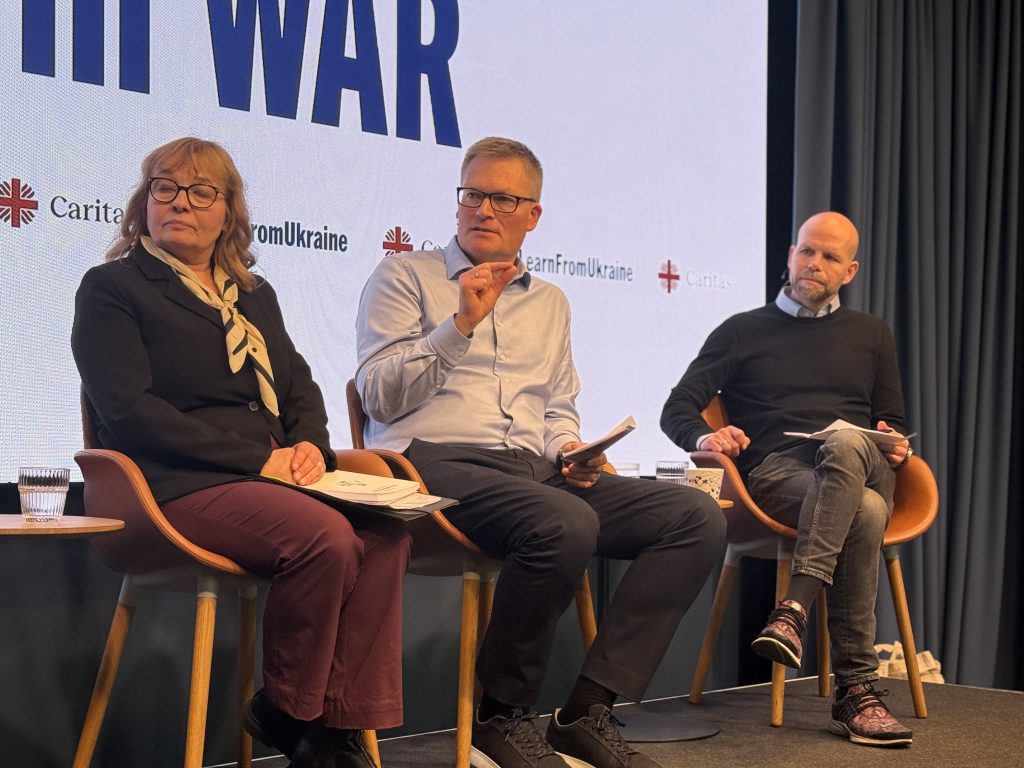
A key message of the discussion was that Ukraine’s experience is highly relevant for Norway and other European countries, which remain vulnerable to attacks on critical infrastructure.
Participants emphasized that while the use of water as a weapon is not new, the scale, intensity, and duration of attacks experienced by Ukraine are unprecedented. At the same time, this experience reveals a critical dimension — the vulnerability of modern societies that depend on complex and interconnected systems.
During the event, participants were also introduced to practical solutions used in Ukraine, including mobile water treatment systems developed by ScanWater. A symbolic moment was the purification of water from the Akerselva River using a mobile unit similar to those deployed in frontline regions of Ukraine.
Oslo marks the beginning of the international #WASHinWAR tour, which will continue throughout 2026–2027 across European capitals, the United States, Canada, and major international policy platforms. The initiative aims to shift the perception of water from a purely humanitarian issue to one of security, policy, and strategic planning. Ukraine’s experience shows that in modern warfare, water is not only a resource but also a critical vulnerability and a tool of influence.
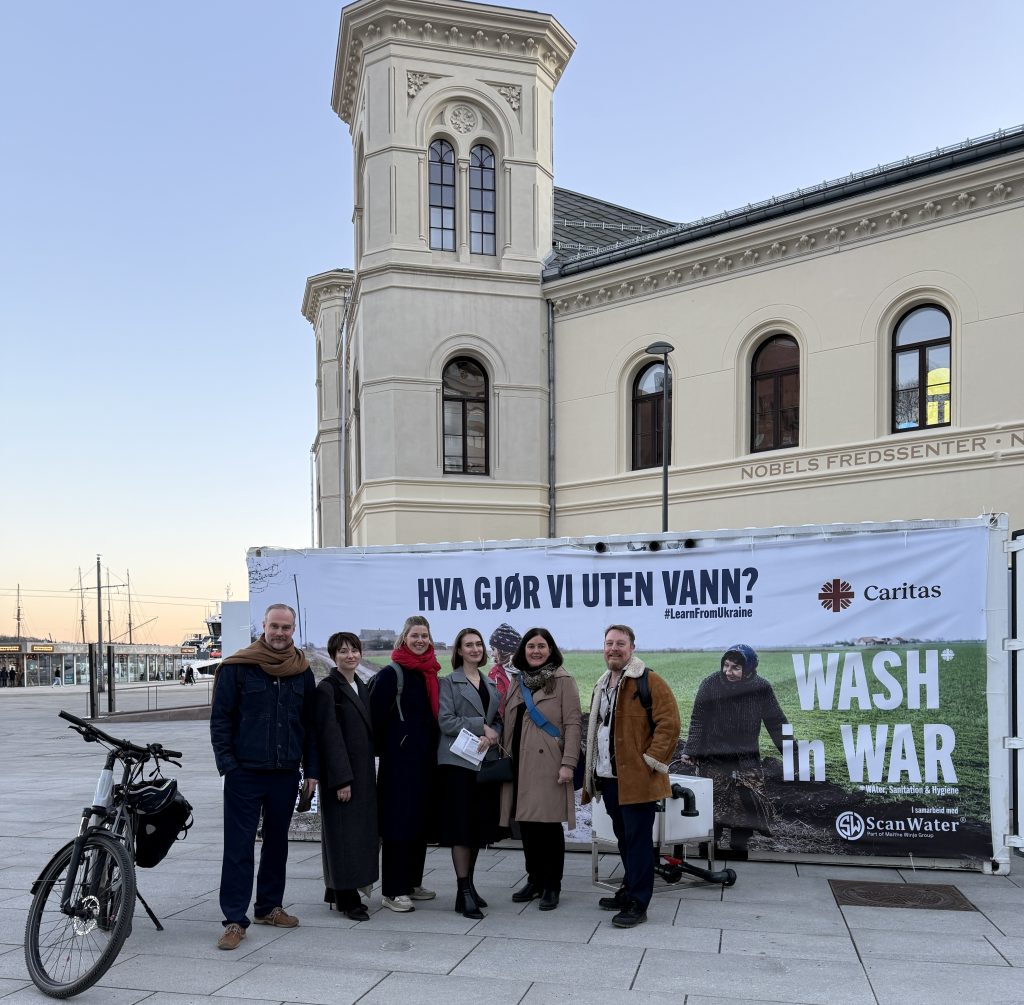
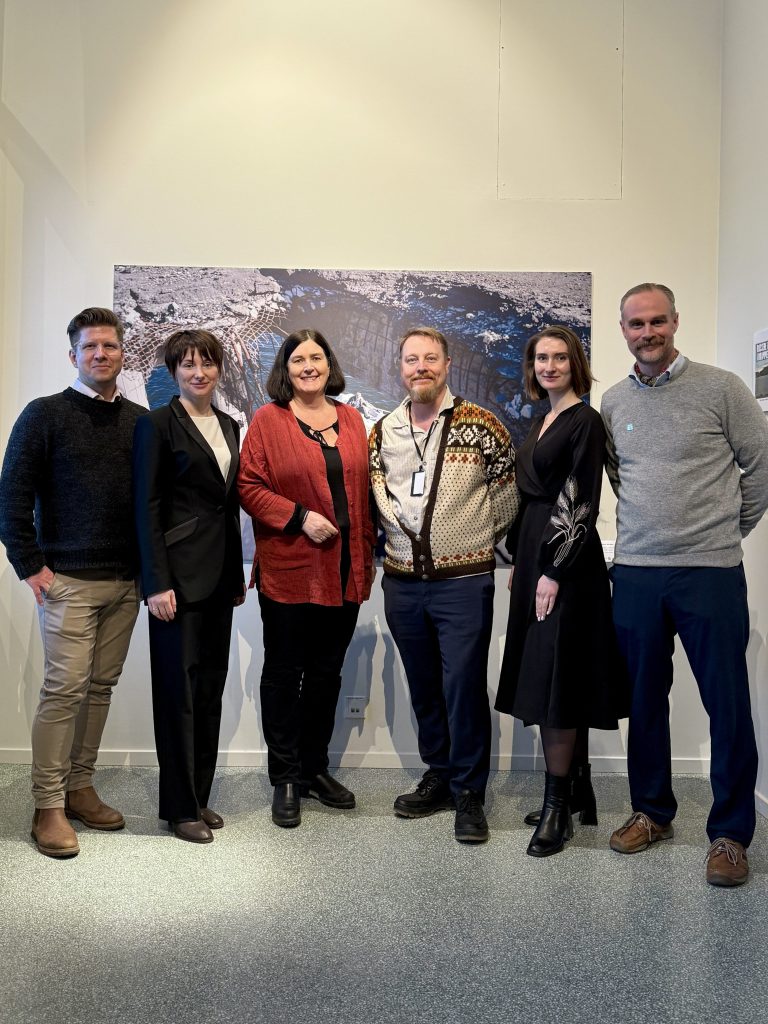
The photo exhibition features works by Ukrainian photographers — Stas Kozliuk, Kostiantyn Liberov, Yevhen Vik, Petro Batanov, and Roman Pylypiy — documenting the impact of war on Ukraine’s water resources: destroyed infrastructure, polluted water bodies, and the lives of people left without access to water. At the same time, it highlights resilience, adaptation, and solutions that restore access to essential resources even in the most difficult conditions.
The key message of the global dialogue is clear: we must learn from Ukraine’s experience today. In the face of emerging threats, water security is no longer a local issue — it is a shared responsibility.